Botanica Box: Your Guide to a Botanical Monogram Font
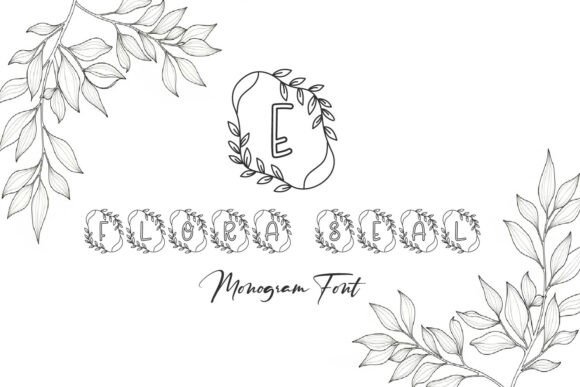
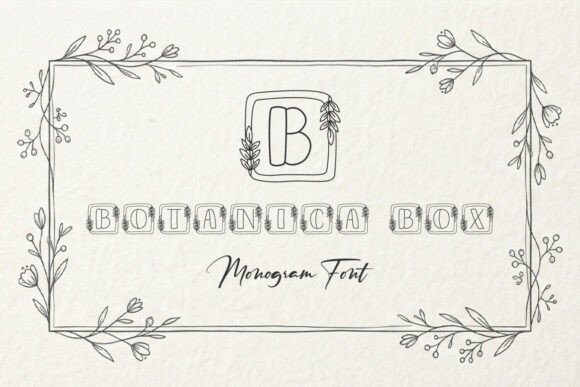
There's a certain challenge in finding a typeface that feels both personal and polished. You want a font with character, something that tells a story, but it also needs to perform reliably across different applications. This is where a well-crafted display font like Botanica Box enters the conversation. It’s a decorative monogram font built around a central idea: merging clean, hand-drawn letterforms with delicate botanical accents and elegant frames. The result is a typeface that feels soft, feminine, and timeless, without sacrificing modern clarity.
At its core, Botanica Box is defined by its visual personality. Each uppercase letter is housed within a clean, geometric frame, offering a sense of structure and balance. Integrated into this structure are minimalist floral elements—think slender leaves, subtle sprigs, and delicate buds. These aren't overwhelming illustrations; they are thoughtful, hand-drawn accents that complement the lettering. The overall aesthetic walks a line between minimalist and artistic, making it a versatile creative font for projects that need to feel premium, approachable, and distinctly styled.
Where This Botanical Font Truly Shines
Understanding a font's ideal environment is key to using it effectively. Botanica Box is a display font, meaning its strengths lie in headlines, logos, and short bursts of text where its intricate details can be appreciated. It's not designed for body copy in a long-form article, but rather for the elements that capture initial attention.
Its applications are surprisingly broad, spanning both digital and physical realms:
- Wedding and Event Stationery: This is a natural fit. The font's elegance is perfect for monograms on invitations, programs, menu cards, and table numbers, adding a bespoke, romantic touch.
- Branding and Logo Design: For businesses in the wellness, beauty, floral, bridal, or artisan food sectors, Botanica Box can form the heart of a brand identity. It works beautifully for logos, business cards, and packaging, immediately conveying a sense of care and natural elegance.
- Digital Content Creation: Bloggers and social media managers can use it for standout Pinterest graphics, Instagram story headers, and YouTube thumbnails. It adds a layer of sophistication to social media graphics that generic sans serif fonts often miss.
- Crafting and DIY Projects: Its clear structure makes it compatible with cutting machines like Cricut and Silhouette. This opens up a world of possibilities for personalized gifts, nursery wall art, custom tote bags, and vinyl decals.
- Publishing and Editorial Design: Think chapter openers in a lifestyle book, feature story titles in a magazine, or the masthead for a niche blog. As an editorial design asset, it helps set a distinct mood.
Influencing Perception and Engagement
A font is more than just letters; it's a visual cue that shapes how an audience perceives a message. The choice of Botanica Box does specific work for a project's hierarchy and professionalism. Because it is a premium font with a strong personality, it naturally creates a focal point. Used for a headline or logo, it draws the eye and establishes the primary visual theme, allowing supporting text—perhaps a clean sans serif font or a simple serif font—to handle the informational load with clarity.
This strategic use enhances visual hierarchy. The decorative nature of Botanica Box signals importance, guiding the viewer's journey through the design. For a small business, this consistency between a logo, website headers, and social media templates builds recognition. It transforms a collection of marketing materials into a cohesive brand identity, which in turn fosters a perception of professionalism and intentionality. The audience may not consciously analyze the font, but they will feel the unified, polished impression it creates.
Practical Guidance for Using Botanica Box
Adopting any new typeface into your workflow requires a practical approach. Here’s how to evaluate and implement Botanica Box effectively.
Evaluate the Project Fit: First, consider your project's voice. Does it call for a soft, organic, and feminine touch? If the goal is stark minimalism or rugged industrialism, this might not be the right tool. Botanica Box excels where warmth, nature, and handcrafted appeal are desired. Always review the full character set and any included stylistic alternates or ligatures to ensure it has the specific letters and symbols you need.
Master the Font Pairing: This is crucial. A highly decorative font like Botanica Box needs a grounding partner. The classic rule of contrast applies here. Pair it with a stable, neutral sans serif font (like Montserrat, Lato, or Open Sans) for body text to ensure readability. For a more classic or literary feel, a simple, readable serif font (like Lora or Merriweather) can also work. Avoid pairing it with other ornate script fonts or handwritten fonts, as this will create visual chaos and undermine its elegance.
Consider Readability and Scale: Because of its detailed botanical elements, Botanica Box is best used at larger sizes. Test it thoroughly. Will the delicate leaves be clear when printed on a small business card? At what digital size do the details begin to merge? Always create mockups to see how the font performs in its intended context, whether on a printed invitation or a mobile screen.
Understand Commercial Licensing: If you plan to use Botanica Box for client work, merchandise, or products for sale, you must verify the license. Most quality commercial fonts come with specific terms. Check if the license covers the number of users, the types of projects (digital vs. print, physical goods), and any restrictions. This step is non-negotiable for professional and legal compliance.
Ultimately, Botanica Box is a specialized tool in the modern typography