Charles Outline: A Font with a Gentle, Handwritten Soul
There's something deeply appealing about a design that feels personal, as though it were made by a human hand rather than a machine. In a world saturated with crisp, geometric sans serifs and predictable corporate typefaces, a font like Charles Outline arrives like a breath of fresh air. It’s not just a collection of letters; it’s a character, a mood, a quiet story waiting to be told through your creative projects. This premium font is a sweet and beautiful handwritten font, featuring characters that dance along the baseline with a gentle, organic rhythm. Its appeal lies in its authenticity—it doesn't try to be perfect, and that's precisely what makes it so perfect for adding a cozy, personal accent to any design.
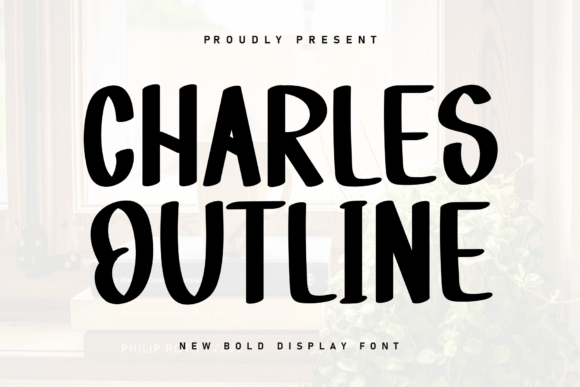
Visually, Charles Outline is a study in delicate, flowing lines. It’s an outline font, meaning the letters are defined by their strokes rather than being filled with solid color. This gives it an airy, lightweight quality, almost like a sketch or a piece of modern calligraphy. The letterforms connect with a natural, script-like flow, but with enough clarity to remain legible. You can see the subtle variations in pressure and angle that mimic the movement of a pen on paper. This isn't a rigid, uniform typeface; it’s a script font with personality. The characters have a slight bounce and a casual elegance, making it feel friendly, approachable, and full of warmth. It’s the kind of handwritten font that feels genuine, not overly stylized or distracting.
Where Charles Outline Truly Shines
The true strength of a creative font like Charles Outline is its versatility in setting a specific tone. It’s not the workhorse for body copy in a technical manual, but it excels as a display font for projects where emotion and personality are paramount. Think about the brands and materials you connect with on a personal level. Often, they use typography that feels human. This is where Charles Outline steps in.
In brand identity, this font can be a secret weapon. Imagine a boutique bakery, a freelance photographer, a wellness coach, or a handmade jewelry brand. Using Charles Outline for the logo or key brand marks instantly communicates craftsmanship, care, and a personal touch. It tells your audience, "There's a real person behind this brand who cares about the details." For a small business owner or entrepreneur, this can be a powerful differentiator. It works beautifully for logos, business cards, and packaging design, especially when paired with a clean sans serif font for supporting text.
For publishers and content creators, this typeface offers a wonderful way to add visual interest. It’s perfect for chapter titles in a book, pull quotes in a magazine, or the title cards for a video series. In editorial design, it can break the monotony of dense text blocks, drawing the reader's eye to a special feature or a heartfelt quote. Bloggers can use it for their website header or to highlight key takeaways within a post, making their content feel more curated and engaging. The same principle applies to social media graphics; a quote or call-to-action set in Charles Outline will feel more intimate and shareable than the same text in a standard system font.
Practical Guidance for Using This Typeface
Choosing any design asset, including a premium font, requires thoughtful consideration. Charles Outline is a powerful tool, but it needs to be used with intention. The first step is always to evaluate your project's fit. Ask yourself: What is the core message? Who is the audience? A children's book cover might be perfect, but a legal contract is not. Its handwritten nature conveys warmth and creativity, not cold, hard authority.
Next, consider font pairing. This is crucial for maintaining visual hierarchy and readability. A common and effective strategy is to pair a distinctive script or handwritten font like Charles Outline with a highly legible serif font or sans serif font. Use Charles Outline for headlines, short phrases, or accent text where its personality can shine without overwhelming the viewer. Let a more neutral, robust typeface handle the longer paragraphs and detailed information. This contrast creates a dynamic, professional look that guides the reader's eye and ensures your message is both beautiful and clear.
Before committing, always test the font in context. Download the file (checking the commercial font license is non-negotiable for professional work) and see how it looks at the sizes you'll use. How does the outline style hold up on a busy background? Is it still legible when small? Print out a sample. View it on a mobile screen. The goal is to ensure it enhances, rather than hinders, the user experience. Remember, good design is about communication first. A beautiful font that people can't read has failed its primary task.
Finally, explore the font package. Does it include alternate characters, ligatures, or different weights? These extra styles can add another layer of customization and professionalism to your work, allowing you to fine-tune the typography for different applications within the same project. By thoughtfully integrating Charles Outline into your design toolkit, you're not just selecting a font—you're choosing to infuse your work with a sense of handcrafted care and authentic personality that resonates deeply with a modern audience.