Comic Bold: Unlock Playful Charm in Your Designs
When you need a typeface that feels like a burst of confetti, Comic Bold steps onto the stage. This is not just another standard striped bubble font; it’s a carefully crafted tool designed to inject immediate, high-impact fun into your visual communications. As a sweet and playful display font, it masters the art of soft, rounded design, making it a go-to for anyone looking to add a dose of lighthearted personality to their work. Its unique execution of the classic cut line style gives it a distinct character that stands out in a sea of generic options.
The Anatomy of Playfulness
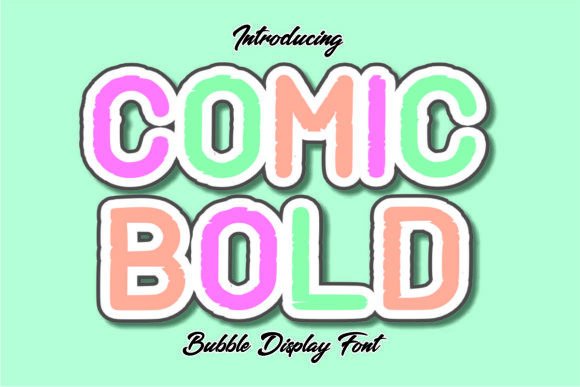
Understanding what makes Comic Bold tick is key to using it effectively. Visually, it’s all about soft edges and generous curves. The letters are thick and substantial, ensuring they command attention even at smaller sizes. The defining feature is the subtle stripe or cut line that runs through each character, mimicking the look of classic comic book lettering or a cleanly cut piece of candy. This detail prevents it from looking cartoonish in a cheap way, instead giving it a polished, intentional feel. The overall personality is undeniably friendly, approachable, and energetic—perfect for projects that aim to connect with an audience on an emotional, joyful level.
This typeface shines brightest when used as a headline or accent font. Think of it as the seasoning in your design recipe—a little goes a long way to define the flavor. Its strength lies in its ability to set a mood instantly. The moment you set a line of text in Comic Bold, the project’s tone shifts toward something more engaging and less formal.
Where This Font Truly Excels
The real-world applications for a font like Comic Bold are surprisingly diverse, extending far beyond the obvious. While it’s a natural fit for children’s birthday invitations and kindergarten branding, its utility in commercial and creative projects is where it proves its versatility as a premium font asset.
- Packaging & Product Design: For candy, dessert, snack, or toy packaging, this font is a perfect match. It communicates sweetness and fun directly on the shelf, influencing purchasing decisions through pure visual appeal.
- Digital & Social Media: Use it for eye-catching social media graphics, Instagram story templates, or YouTube thumbnails. It cuts through the noise of a busy feed, making your content instantly recognizable and shareable.
- Editorial & Publishing: In editorial design, it can be used for pull quotes, chapter titles, or section headers in magazines and blogs targeting a family or lifestyle audience. It adds a touch of whimsy without sacrificing readability for short bursts of text.
- Branding & Logo Design: For businesses that want to project a friendly, accessible, and modern identity—think local bakeries, craft studios, event planners, or family-oriented apps—Comic Bold can serve as a cornerstone of a playful brand identity.
Strategic Font Pairing for Professional Results
The mark of a skilled designer is knowing how to balance a strong personality font with its supporting cast. Comic Bold, as a display typeface, demands a partner that doesn’t compete for attention but provides structure and readability for body copy.
For a clean, modern contrast, pair it with a neutral sans serif font like Open Sans, Lato, or Montserrat. This combination lets the playful headlines pop while the body text remains crisp and easy to read. If you’re aiming for a slightly warmer, more traditional feel, a friendly serif font like Merriweather or Lora can create an interesting dialogue between the whimsical display type and the established body text. The key is to test your pairings in context. Does the hierarchy feel clear? Does the body text support the headline’s energy without causing visual fatigue?
Practical Guidance for Implementation
Before you dive in, a practical evaluation will save you time and ensure a perfect fit. First, always test the font with your actual content. Set your key headlines and see how the letterforms interact. Pay close attention to the spacing (kerning and tracking) in your design software—sometimes a slight adjustment can make a big difference in polish.
Second, review the included styles and character set. A high-quality commercial font often includes alternates, ligatures, or extended language support. Knowing what’s available allows you to add subtle variations and custom flair, preventing your design from looking like a template. Finally, understand the licensing. For any commercial project—whether it’s a client’s logo, a product you sell, or a monetized blog—ensure you have the correct commercial license. This is a non-negotiable step for professional work and protects both you and your client.
In the crowded landscape of modern typography, finding a font with genuine character is a win. Comic Bold offers that rare combination of distinct personality and practical versatility. It’s a creative font that doesn’t just sit on the page; it communicates a feeling. By applying it thoughtfully, you can transform standard communications into memorable visual experiences that resonate with your audience and strengthen your brand’s playful side.