Graffiti Signature: Adding Hand-Drawn Warmth to Your Designs
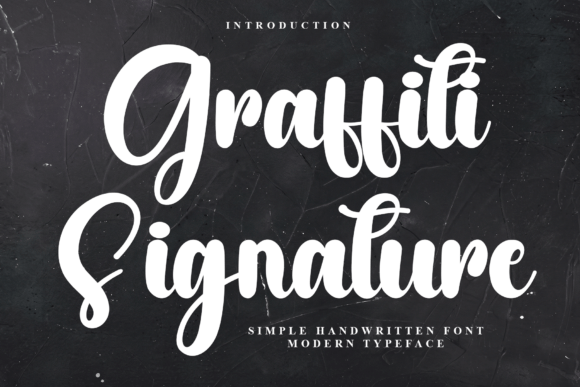
There’s a certain energy to a font that feels like it was just scribbled down with a marker. It carries a human touch, a sense of spontaneity that polished, geometric typefaces often miss. This is the core appeal of Graffiti Signature, a creative font that immediately brings a relaxed and approachable vibe to any project. It’s not about aggressive street art; it’s about the friendly, casual warmth of a personal note or a quick sketch. The round, playful strokes create a visual texture that feels genuine and inviting, making it a versatile tool for designers and creators looking to inject personality into their work.
Where This Handwritten Font Feels Most at Home
Understanding a font’s personality is one thing; knowing where to deploy it effectively is another. Graffiti Signature thrives in contexts where connection and authenticity are key. Its charm is best realized in projects that aim to be relatable rather than authoritative.
For brand identity, it’s a standout choice for businesses with a personal, artisanal, or community-focused ethos. Think of a local bakery’s logo, the branding for a craft workshop, or the header for a lifestyle blog. It immediately tells the audience, “We’re approachable and real.” In packaging design, it can add a homemade, premium feel to labels for small-batch goods, from candles to specialty foods. The hand-drawn aesthetic suggests care and craftsmanship.
Digital spaces are its natural habitat. It excels in social media graphics, where its playful strokes stop the scroll and create a friendly, engaging tone for quotes, announcements, and call-to-action overlays. It’s also perfect for web design accents—think navigation menus, section headers, or featured article titles on a personal portfolio or creative agency site. For editorial design, it can bring a fun, informal touch to magazine sidebars, chapter titles, or pull quotes, especially in publications targeting a younger or more creative demographic.
Practical Guidance for Using Graffiti Signature
Choosing a premium font like this is an investment in your project’s voice. To ensure it’s the right fit, start by evaluating the core personality of your project. Does it call for a formal, corporate tone? If so, Graffiti Signature might clash. But if the goal is to feel welcoming, creative, and slightly informal, it’s likely a strong candidate. Always test it in context. A font can look great on a specimen sheet but behave differently in a sentence or as part of a logo design.
One of the most critical aspects of using a display font or script font effectively is pairing. Graffiti Signature has a strong personality, so it needs a counterbalance for body text. A clean, simple sans serif font or a highly legible serif font is usually the best partner. This creates a clear visual hierarchy: the creative font draws the eye for headlines, while the paired font ensures the message remains readable at smaller sizes. Avoid pairing it with another ornate or handwritten font, as this creates visual competition and can undermine professionalism.
Readability is paramount. While its charm is in its casual style, ensure that key information remains clear. It’s best used for short bursts of text—titles, slogans, headers—where its character can shine without causing eye strain. For longer text, fall back to your chosen companion font. Always check the font’s character set. A well-designed commercial font like this typically includes a robust set of glyphs, punctuation, and possibly alternates, giving you flexibility in your modern typography layouts.
Finally, consider the licensing. Since you’re likely using this for client work or commercial products, verify that the license covers your intended use, whether for digital products, print materials, or merchandise. This is a standard step when working with any professional typeface to ensure your design assets are fully compliant.
By thoughtfully applying Graffiti Signature, you’re not just choosing a font; you’re adopting a specific tone of voice. It’s a tool for building brand recognition through authenticity, for making marketing materials more engaging, and for adding that unique, handcrafted touch that makes a project feel personal and memorable. Its strength lies in its ability to make designs feel less like corporate output and more like a conversation.