Lighty: A Handwritten Script for Modern Luxury
The Essence of a Fluid, Modern Script
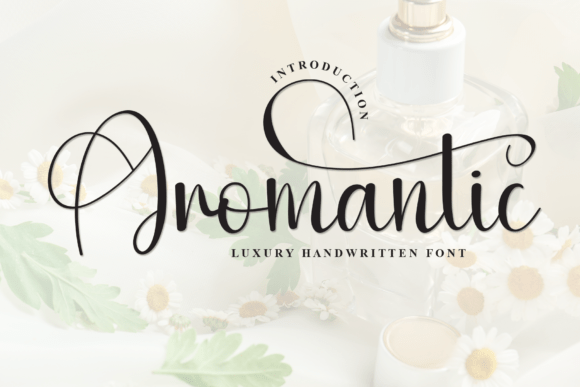
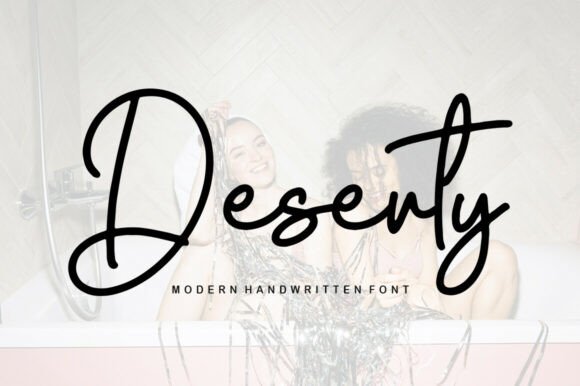
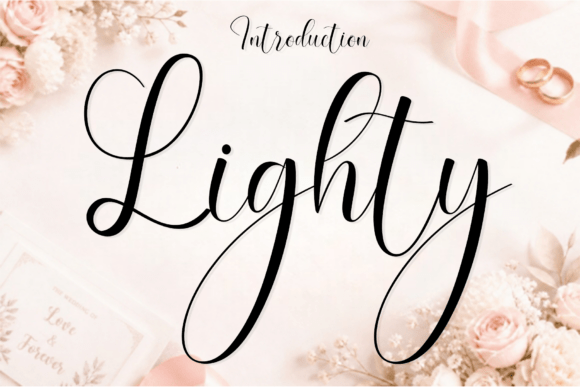
Finding a script font that feels both personal and polished can be a challenge. Many lean too far into casual whimsy, while others feel stiff and overly formal. Lighty strikes a compelling balance. It’s a fluid handwritten script that captures a sense of elegant motion without sacrificing readability. The letterforms connect with a natural, flowing rhythm, featuring delicate loops and consistent weight that give it a sophisticated, contemporary personality. It doesn’t scream for attention; instead, it invites the viewer in with a quiet confidence.
This isn’t a font that mimics a child’s scrawl or a hurried note. The Lighty typeface feels intentional. Each character is crafted to work seamlessly with the next, creating words and phrases that look like they were written by a skilled hand with a smooth, flowing pen. The overall appeal is one of understated luxury—a visual whisper rather than a shout. For designers and creators, this quality is invaluable. It provides the warmth and humanity of a handwritten font with the control and consistency required for professional applications.
Where Lighty Truly Shines: Practical Applications
The true test of any premium font is its versatility. Lighty excels in projects where elegance and a personal touch are paramount. It’s a natural fit for the world of weddings and events, transforming wedding stationery, invitations, and place cards into keepsakes. The fluid style adds a layer of romance and intimacy that rigid typefaces often miss.
Beyond events, consider its role in brand identity. For boutique businesses, artisanal product lines, or high-end service providers, Lighty can become the cornerstone of a logo design or wordmark. It communicates care, craftsmanship, and a personalized approach. Imagine it on the label of a small-batch perfumery, the masthead of a luxury lifestyle blog, or the thank-you card from a bespoke tailor. In these contexts, the font does more than present a name—it conveys the brand’s core values.
In editorial design, it works beautifully for pull quotes, chapter titles, or author signatures, adding a human element to the page. For digital creators, it’s a powerful asset for social media graphics, email newsletter headers, and website hero text, especially when overlaid on atmospheric lifestyle photography. The key is to use it strategically. As a display font, its strength is in headlines and short, impactful text blocks, not lengthy body copy.
Integrating Lighty: From Concept to Final Design
Choosing to use Lighty is the first step. The next is integrating it effectively. Its fluid nature means it pairs exceptionally well with clean, geometric sans serif fonts or a timeless, classic serif font. A pairing with a sans serif like Montserrat or Lato creates a modern, balanced contrast, letting the script headline while the sans serif handles supporting text with clarity. A pairing with a serif like Garamond or Playfair Display can amplify the elegant, traditional feel.
Always test your font pairing in context. View the combination at the actual size it will be used. Check the contrast in weight and style—does the script headline clearly dominate, or does it fight with the body text? Lighty’s consistent weight helps here, but proper sizing and spacing (tracking and leading) are still crucial for visual hierarchy.
Before committing, review the full character set. A quality script font like this often includes stylistic alternates, ligatures, and swashes. These extras allow you to customize the look, avoiding repetitive letter shapes and adding unique flair to key words or initials. Also, consider the practicalities of readability. While beautiful, any script can become difficult to read if used in all caps, at very small sizes, or with low color contrast against the background. For web use, ensure it’s implemented as a webfont with proper fallbacks.
Finally, for any commercial project—from packaging design to client work—confirm the licensing. Lighty is a commercial font, and its license must cover your intended use, whether for a single client or multiple products. Using properly licensed design assets is a non-negotiable part of professional practice. By thoughtfully applying Lighty, you add a layer of refined artistry to your work, ensuring your projects feel both personal and impeccably crafted.