American Retro: Crafting Timeless Western Branding
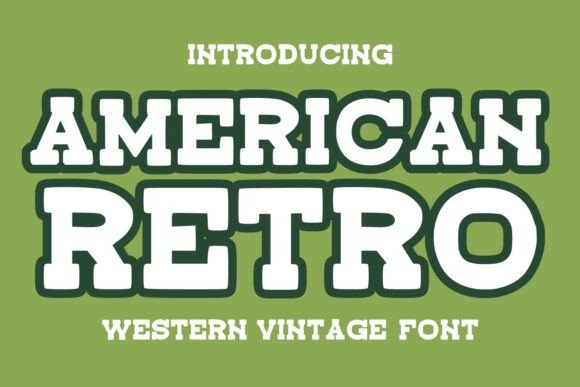
If you’ve ever sketched a logo on a napkin and felt like it was missing a specific kind of punch, you likely haven’t found the right typeface yet. We spend hours tweaking kerning and adjusting weights, but sometimes the issue isn’t technical—it’s atmospheric. That is exactly where American Retro steps in. It isn’t just a font; it is a design asset that channels the grit and grandeur of classic Americana. When you need a typeface that feels like it has a history before you even type the first letter, this Western vintage font is the tool to reach for. It draws directly from retro signage and old western style lettering, giving your text a voice that is loud, proud, and unmistakably bold.
As a designer, I often see projects that are technically sound but lack emotional resonance. American Retro solves that by offering a strong slab-serif structure that commands attention. It is a premium font that bridges the gap between collegiate sports themes and rugged frontier aesthetics. Whether you are a small business owner looking to refresh your merchandise or a digital creator building a brand identity, understanding how to wield this specific style of typography can transform a flat design into a storytelling masterpiece.
The Anatomy of Grit: Visual Style and Personality
To understand why American Retro works so well, you have to look at its DNA. This is not a delicate serif font meant for long-form body text in a novel, nor is it a playful script font. It is a heavy-hitting display font defined by its slab-serif characters. The terminals are squared off, the strokes are bold, and the overall silhouette is sturdy and grounded. This structural integrity is what gives it that "old west" vibe—it feels like it could be stamped into leather or carved into a wooden saloon door.
The personality of this typeface is confident. It doesn't whisper; it speaks with authority. In the world of modern typography, there is a massive trend toward nostalgia, and American Retro taps into that perfectly. It evokes the feeling of vintage movie posters, high school varsity jackets, and roadside diners. However, because it is a digital font designed for contemporary use, it retains a crispness that old wood type often lacks. This makes it incredibly versatile for logo design and brand identity work where you need that vintage feel without sacrificing the clarity required for professional reproduction.
Practical Applications: Where This Typeface Shines
You might be wondering if a "Western" style is too niche for your specific project. The answer is usually no, provided you understand context. American Retro is a creative font that adapts to a surprising variety of industries. It is an obvious choice for packaging design—think craft coffee labels, hot sauce bottles, or artisanal beef jerky. The rugged letterforms instantly communicate authenticity and hand-crafted quality. It tells the consumer that the product inside is robust and trustworthy.
Beyond food and drink, this font is a powerhouse for t-shirt designs and merchandise. If you are selling apparel, the bold nature of the lettering ensures readability from a distance, which is crucial for social media graphics and physical products alike. I have seen this style work beautifully for:
- Sports Themes: It mimics the collegiate aesthetic, making it perfect for team logos, fan merchandise, and athletic branding.
- Event Branding: Music festivals, rodeos, and vintage car shows benefit from the immediate visual association with Americana.
- Digital Content: Thumbnails for YouTube videos or blog headers often need to pop against busy backgrounds. The high contrast of a slab-serif font makes it a reliable choice for web design headers.
- Editorial Design: If you are working on a magazine spread featuring travel, history, or lifestyle content, using American Retro for pull quotes or section headers can break up the monotony of standard sans serif font usage.
Strategic Pairing and Hierarchy
One of the most common mistakes I see with bold display fonts is overuse. You generally do not want to set an entire paragraph in American Retro. It is a high-impact font, best used for headlines, logos, and short bursts of text. If you use it for everything, you lose the visual hierarchy, and your design becomes exhausting to read.
The key to making it work is font pairing. Because American Retro has such a strong personality, it needs a calm partner. A clean sans serif font or a modern sans-serif geometric typeface works best for body copy. The simplicity of the sans serif will recede into the background, allowing the bold western headers to stand out without competition. Avoid pairing it with an overly ornate handwritten font or a complex script font, as the two styles will clash and create visual noise.
When evaluating your project fit, consider the tone of your message. If you are marketing a luxury spa or a minimalist tech startup, American Retro might be the wrong fit. However, if your brand values include heritage, durability, adventure, or craftsmanship, this premium font is likely the missing piece of your design assets library.
Technical Considerations and Licensing
Before you finalize your design, there are a few practical checks you need to perform. First, always review the included styles. Does the font family come with different weights or distress levels? Sometimes a "clean" version is great for digital screens, while a textured version adds that necessary grit for print projects like posters or labels.
Readability is your next priority. Test the font at the size you intend to use it. American Retro is designed to be impactful at large sizes, but check the legibility of specific letter combinations. Do the letters crowd each other? Does the tracking need to be slightly opened up? These small adjustments separate amateur work from professional editorial design.
Finally, respect the commercial font licensing. Most designers and business owners use fonts for commercial projects—logos, merchandise, and client work. Ensure your license covers the specific usage you have in mind. If you are scaling a business and printing thousands of units, you need to be sure your license permits that volume. Treating your typography with the same professionalism as your accounting ensures your brand identity remains secure and legally sound.
Final Thoughts on Implementation
Designing with American Retro is about capturing a feeling. It is about tapping into a visual language that audiences already understand and respect. When you use this typeface, you aren't just picking letters; you are selecting a mood. It brings a timeless quality to modern projects, grounding them in a tradition of bold, uncomplicated communication. Whether you are a graphic designer working on a client brief or an entrepreneur bootstrapping your first clothing line, this font offers a reliable way to make your work look established, confident, and undeniably cool.