Molly: Vintage Keys for Modern Creative Projects
Understanding the Whimsical Nature of Molly
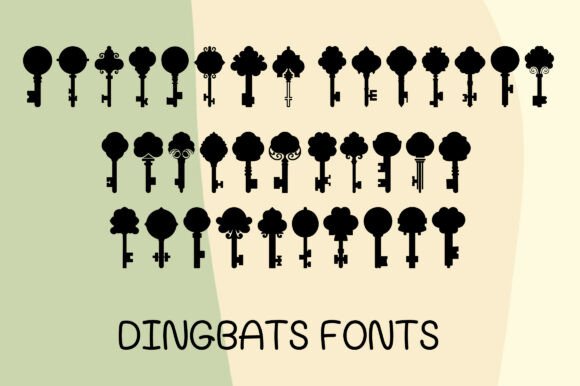
In the world of design, sometimes a project needs more than just a standard serif font or a clean sans serif font. It needs a specific mood, a touch of history, or a dash of whimsy. This is where Molly enters the picture. While it functions as a typeface, Molly is technically a decorative dingbats font, a specialized collection of symbols rather than traditional letters. Its core visual identity is built around elegant vintage key illustrations, each one crafted with unique ornamental details and classic silhouette shapes.
When you look at the glyphs within Molly, you see more than just a simple key. Each symbol features playful curves, floral-inspired tops, and antique-inspired accents. This creates a visual language that feels both timeless and stylish. The personality of Molly is inherently magical and sophisticated. It doesn't scream for attention with loud, modern graphics; instead, it whispers of old secrets, hidden gardens, and antique curiosities. This makes it a powerful tool for designers who want to evoke a sense of history, mystery, or classic elegance without resorting to complex illustrations.
The appeal of this premium font lies in its versatility within a specific aesthetic. It's not trying to be everything to everyone. Instead, Molly excels at providing a cohesive set of visual assets for projects that lean into vintage, gothic, or ornate themes. The consistency in its design—where every key has its own character yet shares a common stylistic thread—allows for the creation of patterns, borders, and focal points that feel intentionally curated.
Where Molly Truly Shines: Practical Applications
Knowing what Molly is only tells half the story. The real value comes from understanding where to deploy it effectively. As a creative font, its applications are wide-ranging, but they tend to cluster around projects where visual storytelling and thematic depth are paramount.
For brand identity and logo design, Molly can be a game-changer for the right business. Imagine a boutique jewelry brand specializing in antique-inspired lockets, a high-end locksmith with a classic aesthetic, or a specialty bookstore dealing in rare finds. Using a Molly key as a central icon or an accent in the logo immediately communicates the brand's niche and values. It sets a tone of craftsmanship and attention to detail. Similarly, in packaging design, these symbols can be used as seal stamps, decorative corners, or subtle background patterns that elevate the unboxing experience.
In the realm of editorial design and publishing, Molly serves as a fantastic display font for decorative elements. Think of chapter headings in a fantasy novel, ornamental dividers in a vintage-themed magazine, or embellishments on a wedding invitation suite. It adds a layer of sophistication that a standard script font might not achieve with the same level of thematic clarity. For scrapbooking and craft projects, the font provides instant, high-quality decorative elements without the need for additional stickers or clipart.
Digital applications are equally rich. For web design, Molly’s keys can be used as custom bullet points, loading screen icons, or decorative motifs in a website’s header or footer for a jewelry e-commerce site or a historical blog. On social media graphics, a single, well-placed key symbol can become a recognizable brand asset, used consistently in Instagram stories, Pinterest pins, or Facebook posts to create a cohesive visual feed. It helps in building recognition in a crowded digital space.
Integrating Molly into Your Design Workflow
Adopting any new design asset requires a bit of strategy. To use Molly effectively, you need to consider how it fits with your existing toolkit and project goals. It’s not a standalone solution but a powerful component in a larger typographic and visual system.
A critical first step is evaluating project fit. Molly’s vintage, ornate style is perfect for a specific set of contexts but might clash in others. It would feel out of place in a tech startup’s minimalist UI or a children’s toy brand’s playful packaging. Ask yourself: does the project’s theme align with elegance, antiquity, mystery, or intricate craftsmanship? If the answer is yes, Molly is likely a strong candidate.
Next, consider font pairing. Because Molly is a decorative display font, it rarely works well for body text. Its strength is in headings, logos, and standalone icons. For readable body copy, you’ll want to pair it with a clean, neutral serif font or a sans serif font. For example, a classic Garamond or a modern sans-serif like Helvetica can provide a perfect counterbalance, ensuring your design remains professional and legible while still carrying Molly’s unique charm.
Before committing to a commercial font like Molly, review what’s included. A high-quality font package should offer multiple stylistic variations or a large set of unique symbols. Test the symbols in your actual design software. Scale them up, set them in different colors, and see how they interact with your other elements. Check the licensing details carefully, especially if you plan to use the font for client work, merchandise, or large-scale distribution. A clear understanding of the license ensures you’re using the asset legally and ethically.
Finally, use Molly with intention. Don’t scatter its symbols everywhere. Instead, use a single key as a powerful accent in a logo, or create a subtle repeating border pattern for a certificate. Let the design breathe. The goal is to enhance your project’s narrative and aesthetic, not to overwhelm it. When used thoughtfully, Molly becomes more than just a font; it becomes a storyteller, adding a layer of meaning and sophistication that resonates with your audience and elevates the entire creative endeavor. It’s a tool for building brand identity