The Phantom Isles: A Font for Storybook Charm
Finding a typeface that genuinely feels unique can be a challenge. Most serif fonts lean toward classic, corporate, or overly formal aesthetics. Then you encounter something like The Phantom Isles, a font that immediately sets a different tone. It’s not just another set of letters; it carries a distinct personality—cool, dramatic, and with a whisper of fairytale magic. If you’ve been searching for a creative font that breaks away from the mundane, this one deserves a closer look.
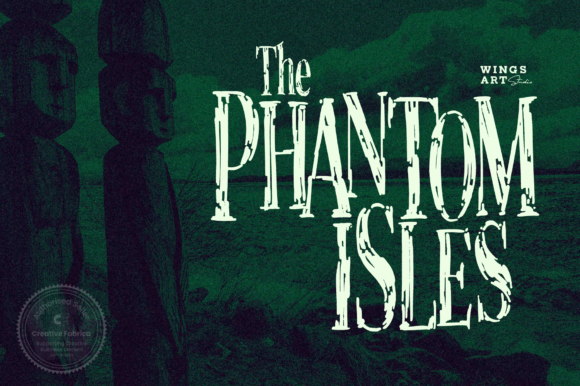
At its core, The Phantom Isles is a premium font designed for impact. Its visual character is defined by elegant, flowing serifs and a slightly condensed form that feels both dramatic and approachable. The letterforms have a subtle flair, avoiding sharp edges in favor of softer, more organic shapes. This gives it a fairytale-like touch that feels whimsical without being childish. It’s a display font, meaning it’s crafted for headlines, titles, and moments where you want the typography to be a key part of the story you’re telling.
Where This Serif Font Truly Shines
Understanding where to use a font like The Phantom Isles is key to unlocking its potential. Its personality makes it a standout choice for specific projects where emotion and narrative are important.
In the world of brand identity, it’s a powerful tool for businesses that want to convey imagination, creativity, or a touch of the fantastical. Think of a boutique toy store, a children’s book publisher, a whimsical bakery, or a creative studio. Using The Phantom Isles in a logo design or on packaging immediately communicates a brand that values storytelling and joy. It helps a business feel more approachable and memorable, setting it apart from competitors using standard corporate typefaces.
For editorial design and publishing, the font excels on book covers, especially in genres like fantasy, magical realism, or middle-grade fiction. Its dramatic flair makes a title pop on a thumbnail, which is crucial in today’s digital marketplaces. It also works beautifully for chapter headings, pull quotes, and poster designs for literary events, creating a sense of occasion and allure.
When it comes to digital and print projects, the applications are broad. It’s an excellent choice for social media graphics where you need to stop the scroll. A compelling quote or a product announcement set in The Phantom Isles feels more crafted and intentional. For web design, it can be used strategically for hero text or section headers, paired with a clean sans serif font for body copy to maintain readability. In print, it elevates greeting cards, invitations, and event posters, adding a layer of sophistication and charm.
Making It Work: Practical Guidance for Designers and Creators
Choosing a creative font is one thing; implementing it effectively is another. Here’s how to approach The Phantom Isles with a practical mindset.
First, evaluate the project fit. Ask yourself: does the project’s tone align with this font’s personality? If you’re designing for a law firm or a medical practice, it’s likely the wrong choice. But if the brief calls for something with character, warmth, or a narrative edge, it could be perfect. Always consider your target audience. This font resonates strongly with adults who appreciate design and storytelling, making it ideal for the 20-50 demographic in creative or lifestyle fields.
Next, test font pairings. As a display serif, The Phantom Isles needs a partner for longer text. The classic rule of contrast applies here. Pair it with a simple, neutral sans serif font like Helvetica, Arial, or a modern geometric sans. This creates a clear visual hierarchy: the dramatic serif for headlines, the clean sans for body text. Avoid pairing it with other ornate script or handwritten fonts, as that will create visual chaos. The goal is balance.
Review the included styles. A good premium font family often comes with more than just the regular weight. Check if The Phantom Isles includes bold, italic, or alternate character sets. These variations give you more flexibility to create emphasis and nuance within your designs without switching fonts, helping maintain brand consistency.
Readability is paramount. Because it’s a display font, The Phantom Isles is not designed for small body text. Use it at larger sizes where its unique details can be appreciated. Always conduct a readability test at the intended size and in the intended context—on a mobile screen, printed on textured paper, or from a distance on a poster. If the text is hard to read, the message is lost.
Finally, understand the licensing. As a commercial font, ensure you have the correct license for your use case. Most premium fonts have different licenses for desktop use (like in logos or printed materials), web use (embedding in a website), and app use. If you’re a small business owner or entrepreneur, this is a critical step to avoid legal issues down the line. Purchasing from a reputable foundry ensures you get high-quality files and clear licensing terms.
A Final Thought on Creative Assets
In a landscape saturated with generic design assets, choosing a typeface like The Phantom Isles is a deliberate creative decision. It’s a tool for injecting personality, evoking specific emotions, and building a more cohesive and engaging visual world for your project or brand. Used thoughtfully, it doesn’t just display words—it helps tell your story.